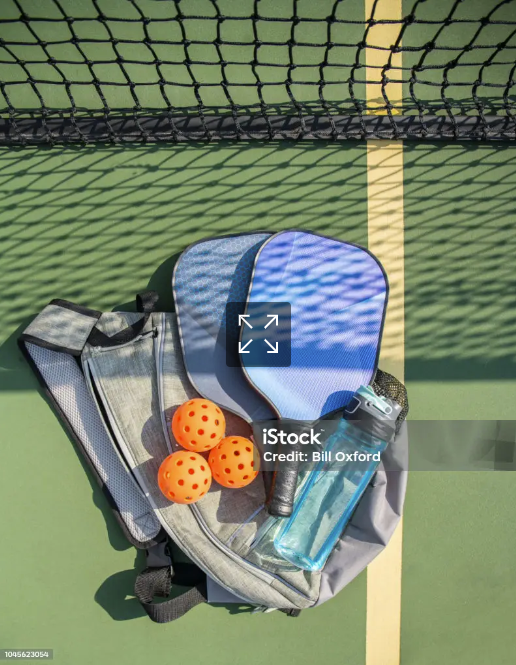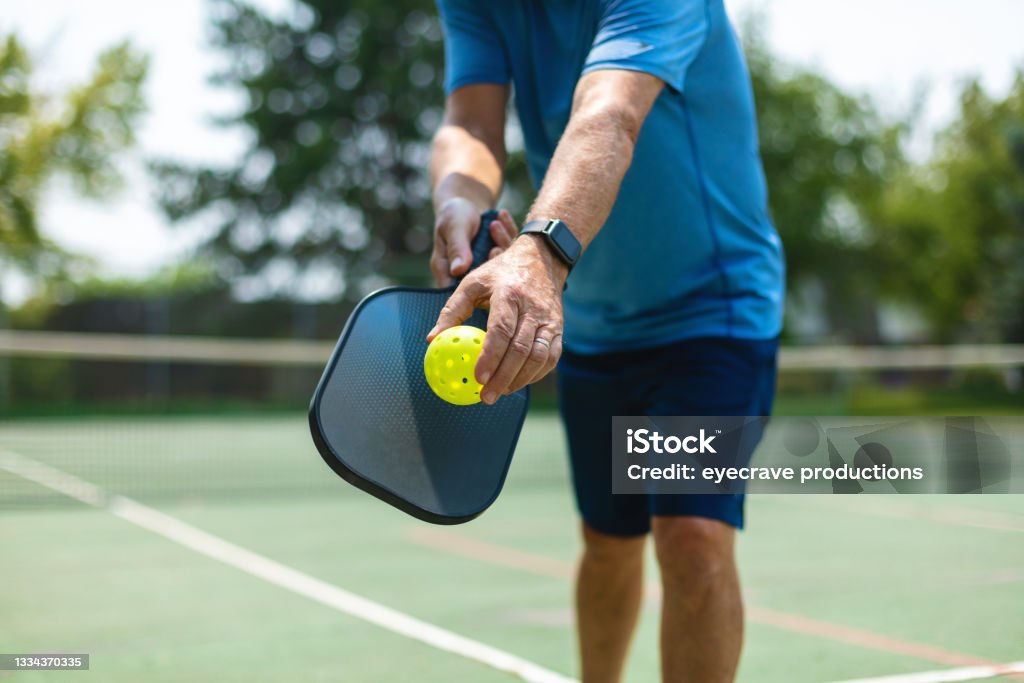
With its global rise in popularity, players are becoming more aware of the nuanced differences between indoor and outdoor pickleballs. While the basic rules and gameplay remain consistent, the choice of pickleball can significantly impact the overall experience and performance. Let’s delve into the key distinctions between indoor and outdoor pickleballs.
Materials
Indoor Pickleballs: Indoor pickleballs are typically made of softer plastic or polymer materials. These materials are designed to minimize noise and bounce, making them suitable for playing in enclosed spaces.
Outdoor Pickleballs: Outdoor pickleballs are made of harder plastic or polymer compounds. They are engineered to withstand outdoor elements such as wind, sun, and temperature variations. The harder surface ensures better durability and resilience against rough outdoor surfaces like concrete or asphalt.
Construction
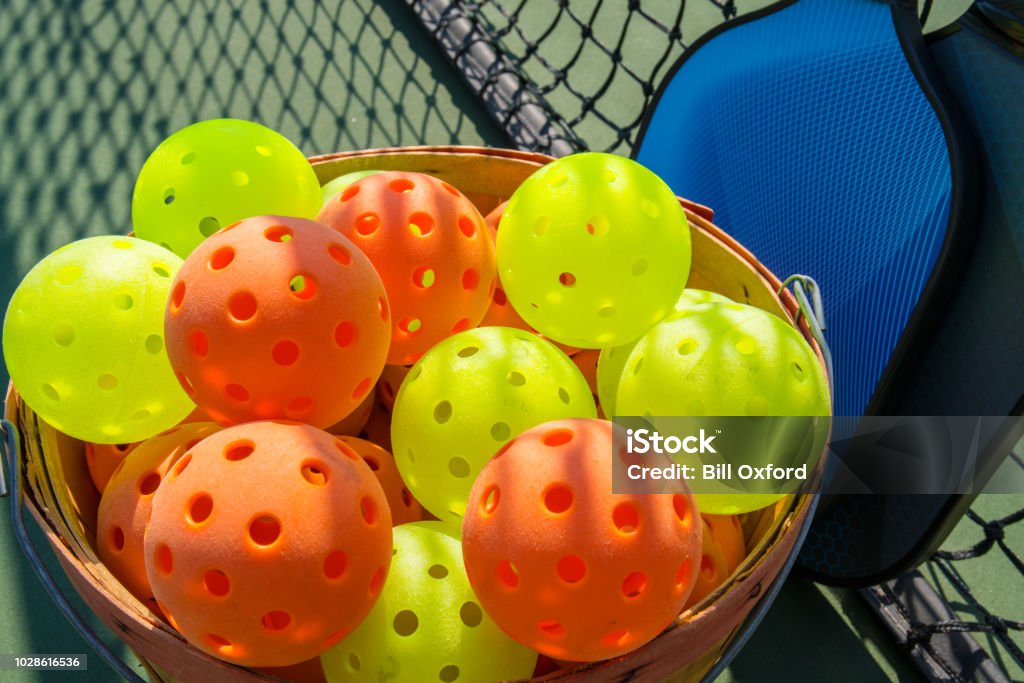
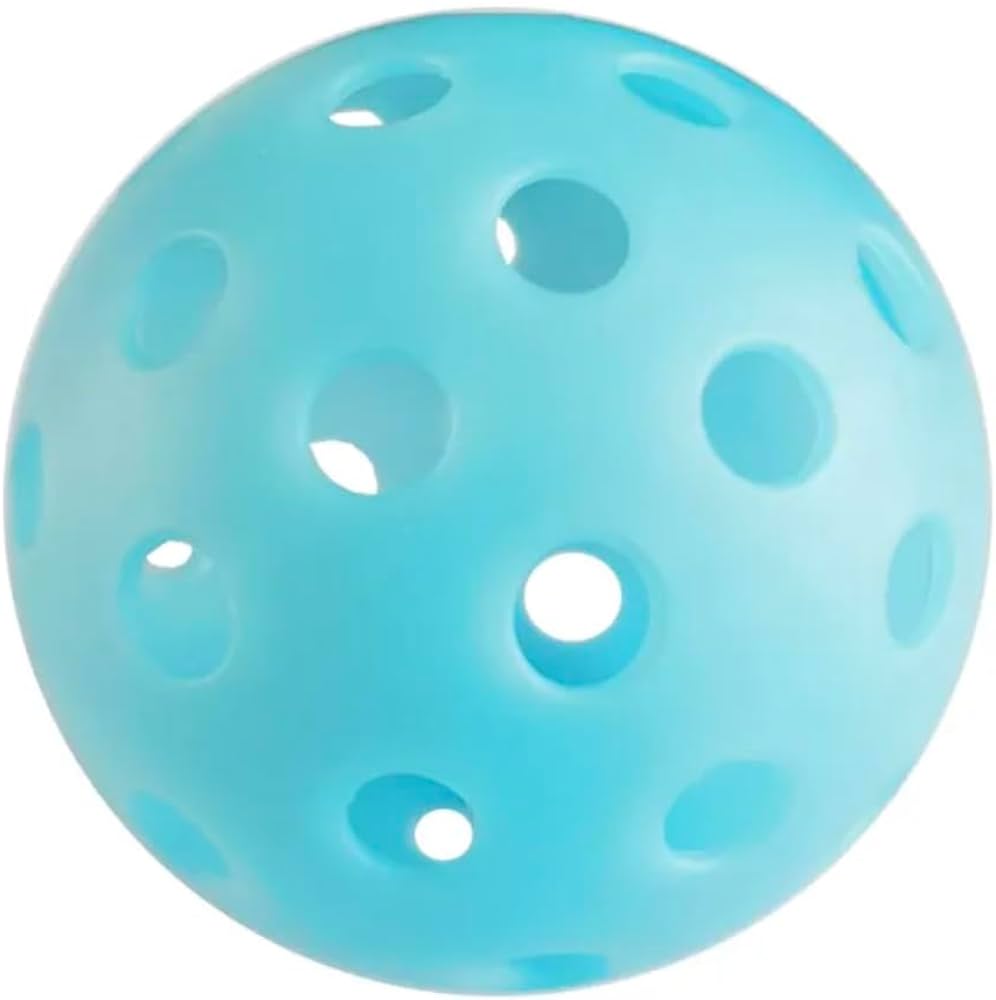
Indoor Pickleballs: Indoor pickleballs usually have larger, strategically placed holes. This design reduces their aerodynamic properties, limiting their flight and making them more suitable for controlled, indoor gameplay.
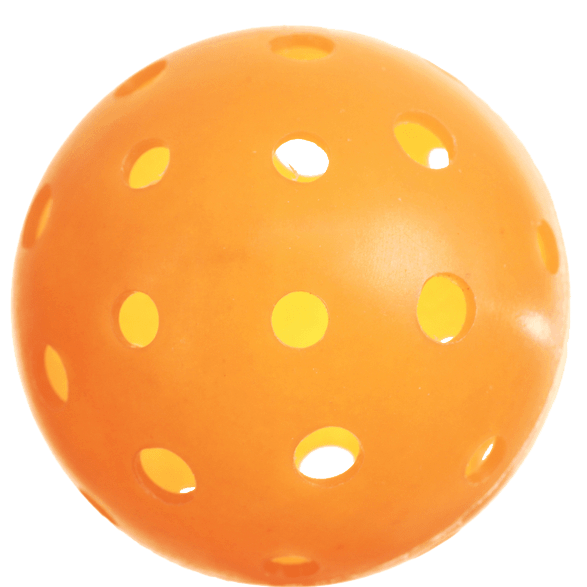
Outdoor Pickleballs: Outdoor pickleballs have smaller, more uniform-sized holes. This construction facilitates better aerodynamics, allowing for smoother flight trajectories and improved performance in outdoor environments.
Color
Indoor Pickleballs: Indoor pickleballs are commonly designed in bright, vibrant colors such as yellow or orange. These colors enhance visibility against indoor backgrounds and lighting conditions.
Outdoor Pickleballs: Outdoor pickleballs are often available in muted tones like white or green. These colors contrast well with outdoor surroundings and offer better visibility under natural sunlight.
Durability
Indoor Pickleballs: Due to their softer construction, indoor pickleballs may wear out faster, especially when used on abrasive indoor surfaces like gym floors.
Outdoor Pickleballs: Outdoor pickleballs are engineered to withstand the rigors of outdoor play, including rough surfaces, UV exposure, and weather conditions. They tend to last longer than their indoor counterparts.
Performance
Indoor Pickleballs: Indoor pickleballs offer controlled play with limited bounce and flight. They are well-suited for precise shots and rallies, making them ideal for indoor courts with shorter distances.
Outdoor Pickleballs: Outdoor pickleballs provide better responsiveness and speed due to their aerodynamic design. They can withstand windy conditions and maintain consistency during fast-paced outdoor games, catering to the dynamic nature of outdoor play.
Suitability
Indoor Pickleballs: Indoor pickleballs are specifically tailored for indoor courts, where controlled play and reduced noise are desired. They are the preferred choice for recreational and competitive play in gymnasiums, community centers, and indoor pickleball facilities.
Outdoor Pickleballs: Outdoor pickleballs are designed for use on outdoor courts, such as those found in parks, recreational areas, and backyard setups. Their durability and performance characteristics make them well-suited for outdoor environments, where players encounter varying terrain and weather conditions.

In conclusion, while both indoor and outdoor pickleballs serve the same fundamental purpose of facilitating the game of pickleball, they are tailored to meet the specific demands of their respective environments. Understanding the differences between indoor and outdoor pickleballs allows players to make informed choices based on their playing preferences and the intended playing location. Whether indoors or outdoors, the right choice of pickleball can enhance the overall playing experience and enjoyment for players of all skill levels