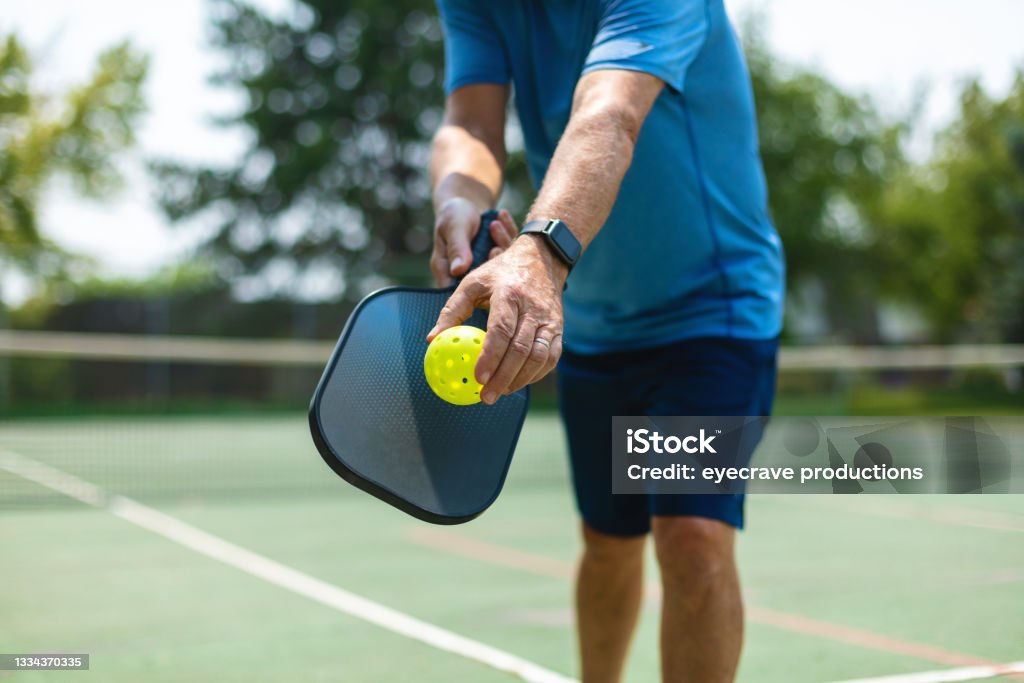
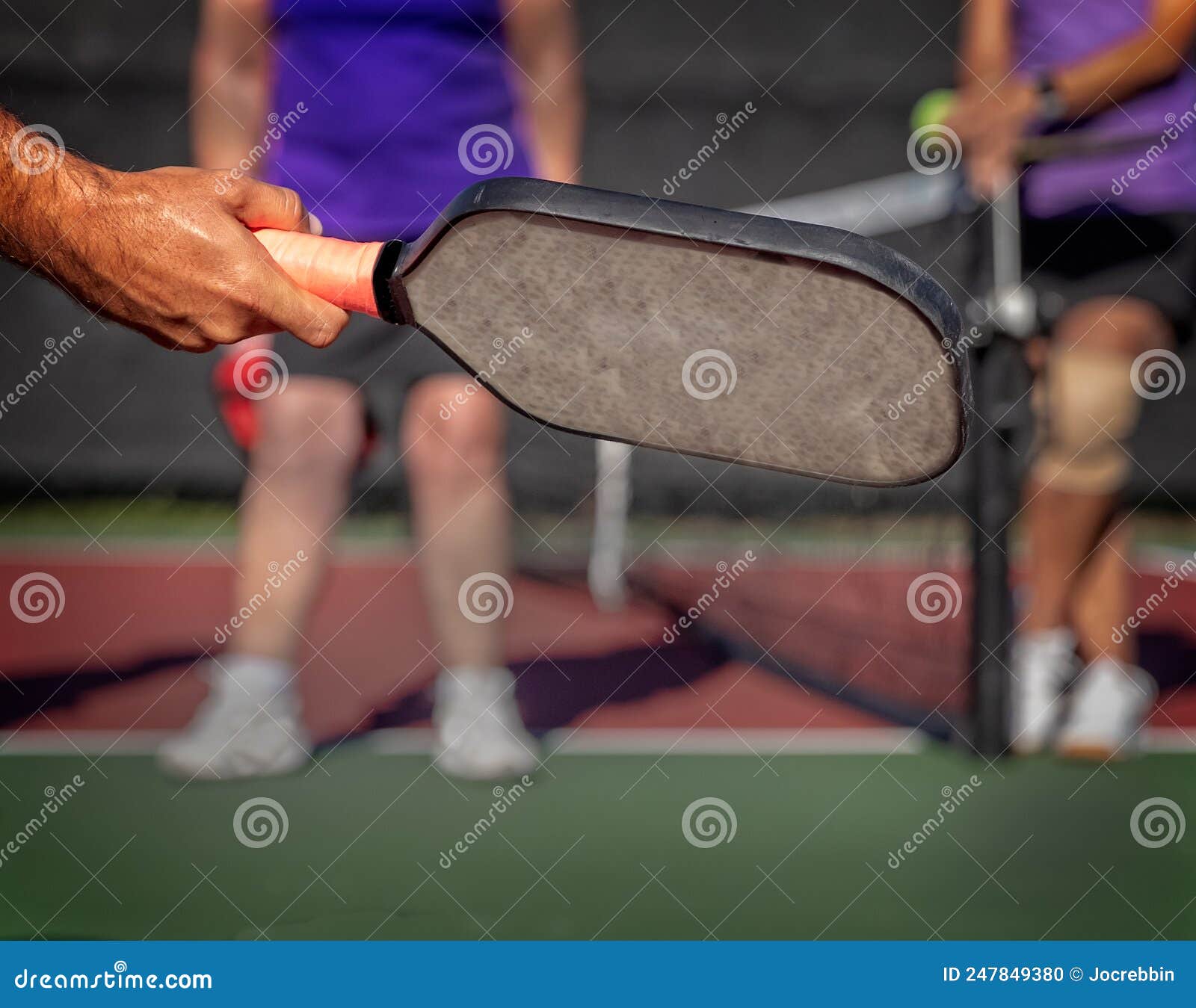
As players immerse themselves in the game of Pickleball, they quickly realize the importance of the pickleball paddle grip in achieving control, power, and finesse during gameplay. Much like in tennis or golf, the grip on the paddle can significantly influence a player’s performance. Let’s delve into the various grip styles for pickleball paddles, helping players understand and choose the one that suits them best.
Eastern Grip
The Eastern grip is one of the most common and versatile grips in pickleball. Similar to the handshake grip, players hold the paddle with their index knuckle on the third bevel of the handle. This grip offers a balanced mix of power and control, making it suitable for players who prefer a well-rounded approach to their game. It allows for easy transition between forehand and backhand shots.
Continental Grip
The Continental grip, also known as the hammer grip, involves placing the hand at the very end of the handle. This grip is particularly popular among tennis players transitioning to pickleball, as it closely resembles the grip used in tennis. While the Continental grip might sacrifice some power, it provides excellent control and maneuverability, especially for precise shots and volleys.
Western Grip
Similar to its counterpart in tennis, the Western grip in pickleball involves placing the hand further around the handle, with the index knuckle resting on the first or second bevel. This grip offers substantial topspin potential, making it ideal for players who rely on spin to control the ball trajectory. However, it may require more wrist action and can be less versatile compared to other grips.
Semi-Western Grip
A hybrid between the Eastern and Western grips, the Semi-Western grip combines elements of both styles. Players position their hand slightly further around the handle compared to the Eastern grip, allowing for more topspin while maintaining control. The Semi-Western grip is suitable for players who seek a balance between power and spin without sacrificing control.
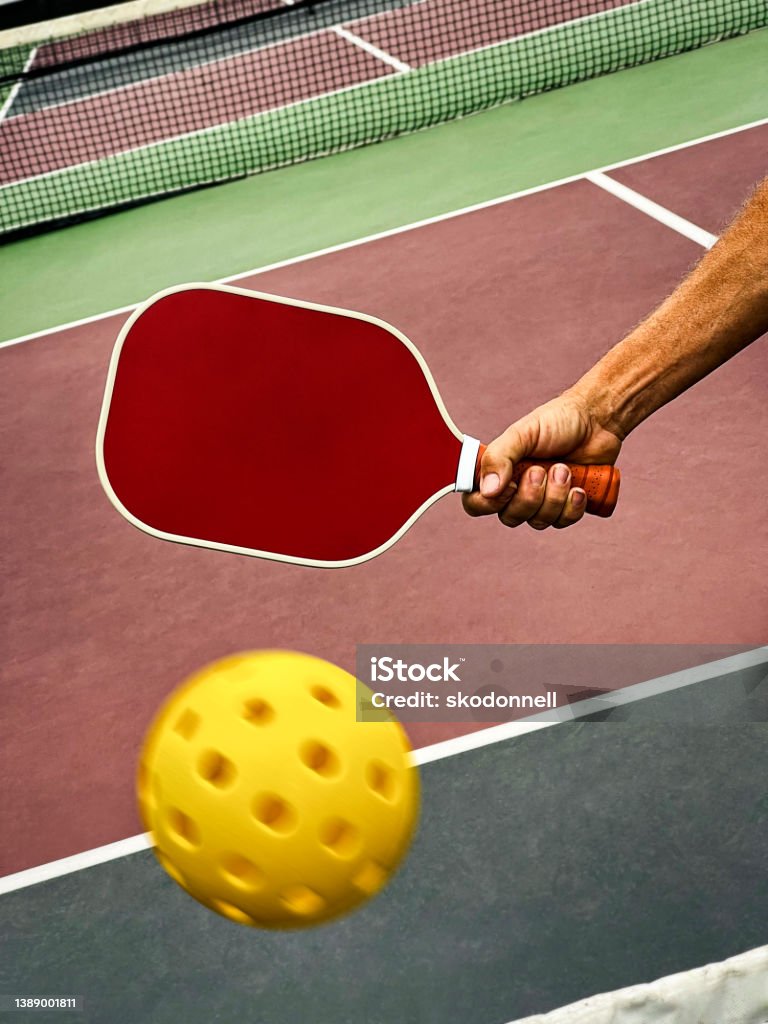
The Finger Grip
The Finger grip, also known as the stack grip, involves stacking the fingers one on top of the other along the handle. This grip is less common but can offer increased maneuverability and finesse for players who prefer a more delicate touch. However, it may require more wrist strength and control to generate power effectively.
The Double-Handed Grip
In the double-handed grip, players hold the paddle with both hands, similar to a two-handed backhand grip in tennis. This style provides added stability and control, particularly for players who struggle with single-handed shots. It can be advantageous for executing powerful drives and defensive shots but may limit reach and maneuverability.
Conclusion
Choosing the right grip for your pickleball paddle is essential for optimizing your performance on the court. Experimenting with different grip styles can help you find the one that best complements your playing style and preferences. Whether you prioritize power, control, spin, or finesse, there’s a grip out there to suit your needs. Remember to practice with each grip to familiarize yourself with its advantages and limitations, ultimately enhancing your overall gameplay experience in the exciting world of pickleball.