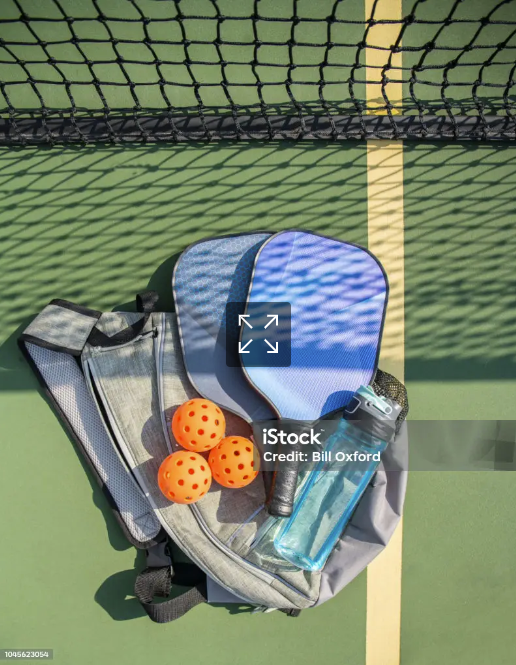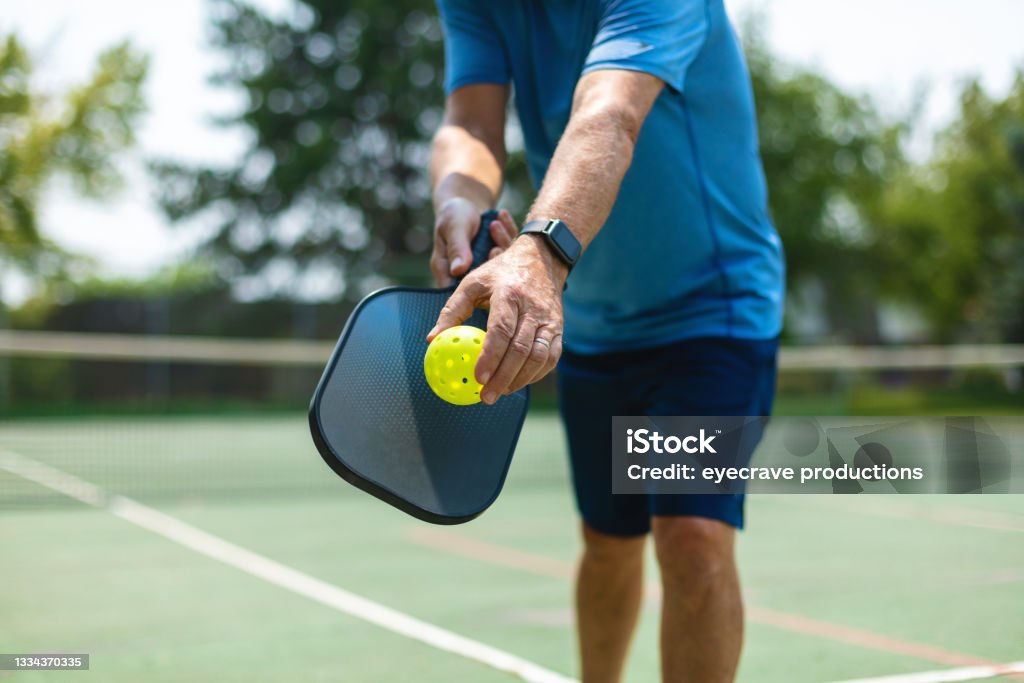

Pickleball, a game often described as a mix of tennis, badminton, and ping pong, has been gaining rapid popularity worldwide due to its accessibility and fun-filled nature. However, like any sport, it has its own set of rules that govern gameplay, ensuring fair play and maximum enjoyment for all participants. Whether you’re a beginner looking to learn the basics or a seasoned player aiming to refine your skills, understanding the rules of pickleball is essential. Let’s dive into the key rules that shape this exciting sport.
Court & Equipment
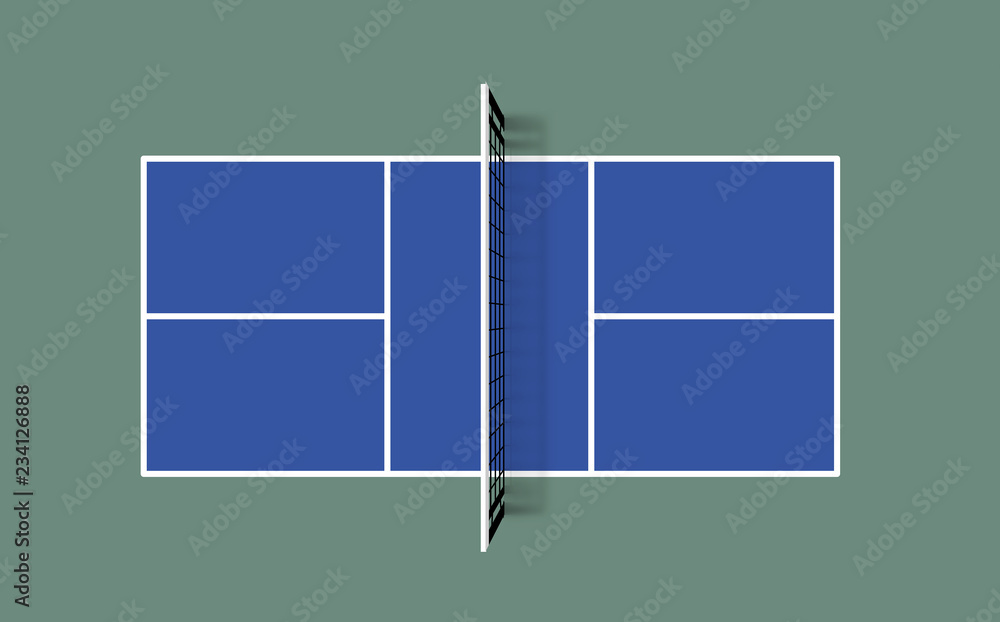
Pickleball is typically played on a rectangular court, similar to a doubles badminton court, measuring 20 feet wide and 44 feet long for doubles play, and 20 feet wide and 22 feet long for singles play. The court is divided into halves by a net that stands 36 inches at the sidelines and 34 inches at the center. Players use paddles, which are smaller than tennis rackets but larger than ping pong paddles, and a perforated plastic ball, similar to a whiffle ball.
Serving
The game begins with a serve, which must be hit underhand and diagonally cross-court to the opponent’s service court. The server must keep one foot behind the back line (baseline) and must hit the ball below waist level. The serve must clear the non-volley zone, also known as the kitchen, which is a seven-foot area on both sides of the net. If the serve lands outside the opponent’s service court or touches the net, it’s a fault, and the serve goes to the other team.
Scoring
Pickleball follows a rally scoring system, meaning points can be won by the serving or receiving team. Games are typically played to 11 points, and a team must win by at least two points. When the serving team wins a rally, they score a point and continue to serve. If the receiving team wins a rally, they earn the right to serve, but no points are scored. If the game reaches a tie at 10-10, it’s referred to as a “win by two” situation, where the first team to achieve a two-point lead wins the game.
The Kitchen
The non-volley zone, also known as the kitchen, is a seven-foot area on both sides of the net. Players are not allowed to volley (hit the ball in the air without letting it bounce) while standing inside the non-volley zone, except when the ball bounces in the kitchen first. After the ball bounces in the kitchen, the player is allowed inside the kitchen to return it. However, they player must immediately exit the kitchen afterwards.

Serve, Bounce, Return, Bounce
In pickleball, the double bounce rule requires that the ball must bounce once on each side of the net before players can start volleying. Thus one side serves and the receiving side must let it bounce before their return. On the return, the serving side must let the ball bounce before volleying starts. Once the ball has bounced on each side, players can volley freely, including inside the kitchen.
Now Get Your Dink On!
Understanding the rules of pickleball is fundamental to enjoying and excelling in this dynamic sport. Whether you’re playing recreationally with friends or competing in tournaments, adhering to the rules ensures fair play and a positive experience for all involved. By familiarizing yourself with the court dimensions, serving regulations, scoring system, non-volley zone, and double bounce rule, you’ll be well-equipped to navigate the pickleball court with confidence and skill. So grab your paddle, step onto the court, and let the games begin!